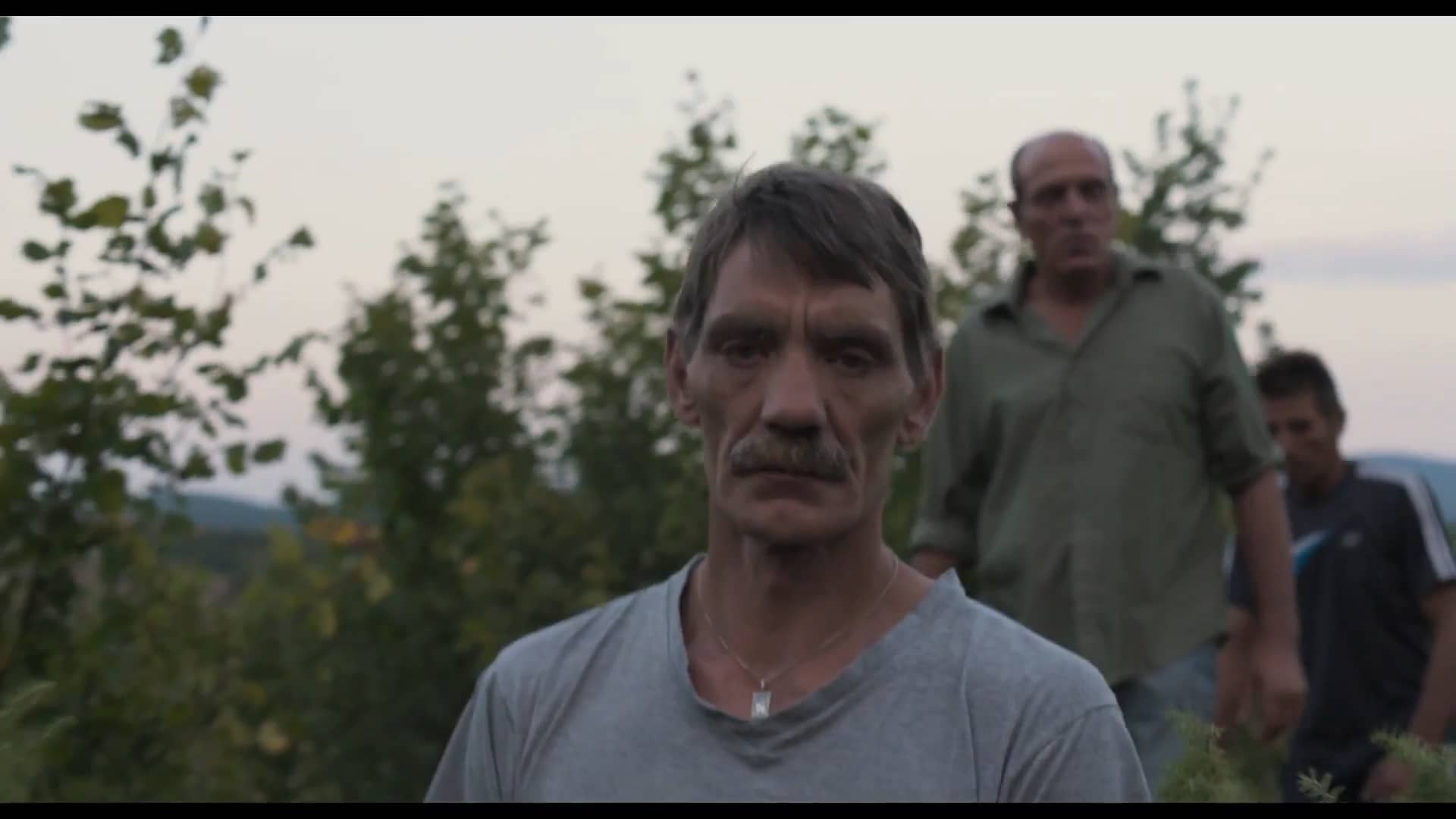
Western (d. Valeska Grisebach)
Happy as Lazzaro (d. Alice Rohrwacher)
Interesting that both films, directed by women, locate Europe outside the metropolis. In addition, both films cast downtrodden Western Europeans as their protagonists. Western situates it in a remote village in Bulgaria which was once occupied by German troops in WWII. Meanwhile, Lazzaro situates villagers in a time-warped zone of the perpetual 70s even though their material conditions suggest further back–as in pre-war Italy. What is evoked is the near history of Europe and its relation to the present. These are images of austerity of the past that, the fear is, Europe may be reverting back to.

Western seems like a continuation of Denis’ Beau Travail (1999) with its (alleged) former Legionnaire protagonist and its examination of what is now be called toxic masculinity. It even ends with a dance, where bodily movement acts as emotional outpouring since the guy is stoic until the very end. “You are my brother,” one of the villagers says, a line that can be linked to what the rich teen in Lazzaro says: “you are my half-brother”. It’s a vision of fraternite that is in tatters. How sustainable are these kinships? In both cases, they are not much, but that may be enough, just so.
The Lazzaro movie is a mind trip with the saintly Lazzaro and his perpetual blank and innocent expression. Then we get that time shock out of nowhere but because of “grace” we are led to believe in it. The religiosity isn’t given much importance. Heavenly music fills the air but getting home is more important. Where is home for these wayward Europeans who are out of place and out of time? The final scene of violence shows that Europeans can manage to unite but only to sacrifice its weakest. That doesn’t sound too homely.
#2019 #8 #9
 Orpheus in Hell: Unlicensed Film Reviews