Shirkers (d. Sandi Tan)
Minding the Gap (d. Bing Liu)
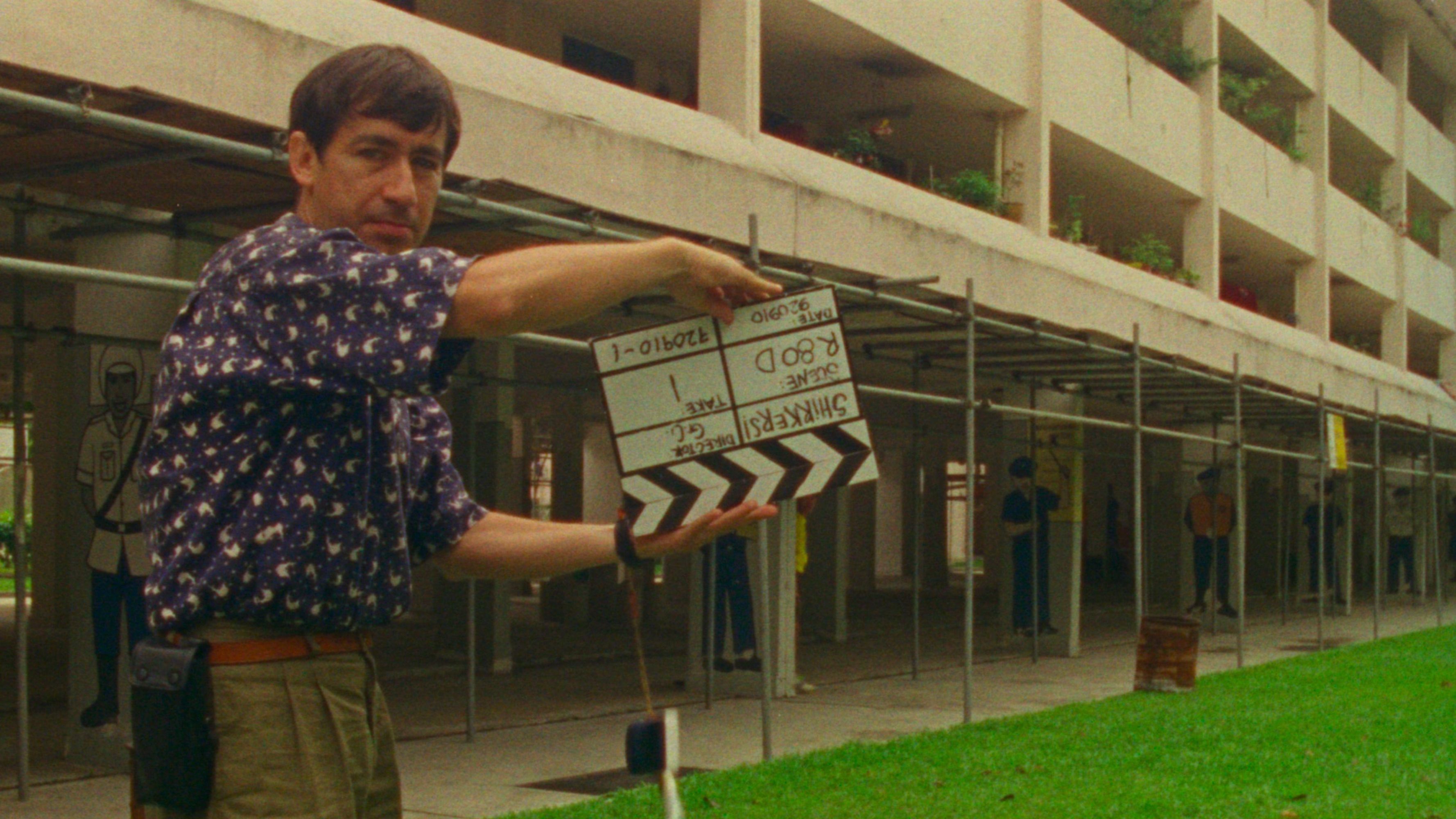
What a disaster. Filmmaker is Singaporean and presents herself and friends as culturally Western, which is fine except there are only the most minimal references of her own culture as Chinese-Singaporean and the most fleeting of visual registers of other ethnicities that make up Singapore. It’s a willful erasure. Shirkers is about desiring whiteness, to be white, to be culturally white, and to be legible to white audiences/people. I honestly thought this type of “colonial mentality” (a term used commonly in the Philippines for this type of thinking) was a uniquely Philippine phenomenon, especially among the slightly upper middle class or the wannabes, exactly the same demographic of Sandi and her pals. Why do you have to do that? Asian hyphenated identity is robust these days. Perhaps it’s because they belong to a slightly older generation? But then you look at another doc by an Asian American twenty year old and it has the same problem of having difficulty enunciating one’s ethnicity. In the celebrated Minding the Gap, not once does he mentions Asian or Asian American and, oddly, focuses on a white protagonist. It turns out that the director himself has an interesting familial history of his own that, because he focuses his energies on his white pal’s, he ends up under-exploring his own story. This lack, this strategic move, ends up being a boon for him as critics have given accolades to the film. Asians, Asian Ams, hyphenated Asians, what’s going on? Why are you still sacrificing yourself for white acceptance? Why are you buying into model minority myth? This is especially true for Shirkers because that’s the other underlying message of the film, those who follow this mainstream American way, where you minimize your ethnicity for white success and approval, will earn you the ultimate goal, whiteness itself. Look where the major figures in the movie are now. I suspect that some Asian Ams are more politically aware than these people but it’s the more palatable to white audiences who are getting the book deals, films being distributed, and docs broadcasted or streamed. The title of the doc is telling, it really shirked from going deeper into a) why they trusted the White Man b) didn’t question their basis of cultural fluency and c) being “Asian” in the 21st c.
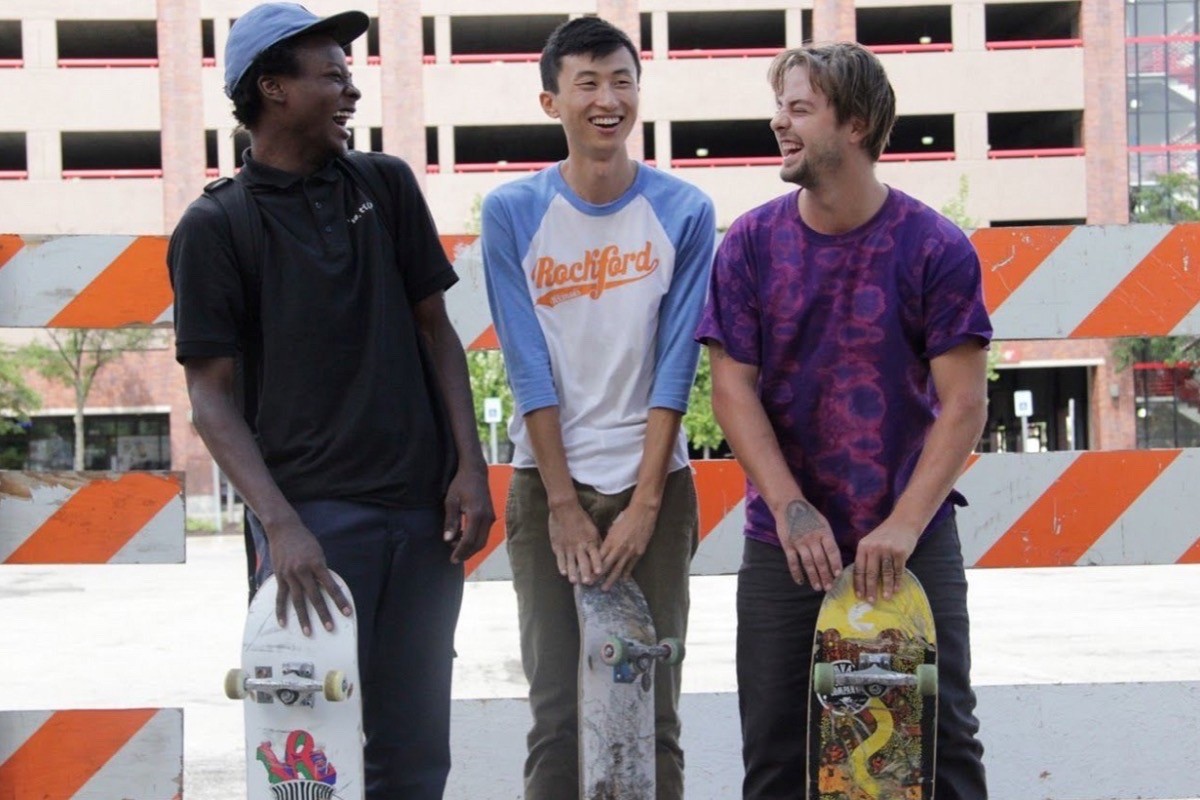
Minding the Gap is a documentary, with its earnestness and mainstream sensibilities, that is probably fit for PBS. Filmmaker goes back to his hometown and follows up lives of his mates, a white and black guy. What I really find odd is how the work ultimately centers on the white figure. The film could easily center on the black friend. Or, in an act of self-confidence, center your life as Asian American. The term is never ever mentioned even though race talk occurs and is pointed out by his black friend. The film is a wasted opportunity to show or give voice to a specifically Asian American experience. Doing so doesn’t negate any other racialized experiences, but what is lost is the specific texture of Asian, Asian immigrant, or Asian second generation life. I understand that the director didn’t grow up in a particularly multicultural society, but to not see your life experiences as enough material for a documentary makes me sad. Why do you need to have a particularly strong white presence for bits of your life to be told? This isn’t the Asian America that I know but it’s the kind, the one where race is erased or where it’s close enough to whiteness that race isn’t mentioned less it makes a lot of people uncomfortable, that is also being popularized: To All the Boys I’ve Loved Before, Andi Mack, etc. Ultimately, the lesson is to scrub away one’s racial specificity to become American. What a tired old trope.
#2019 #29 #5
 Orpheus in Hell: Unlicensed Film Reviews