Leave No Trace (d. Debra Granik)
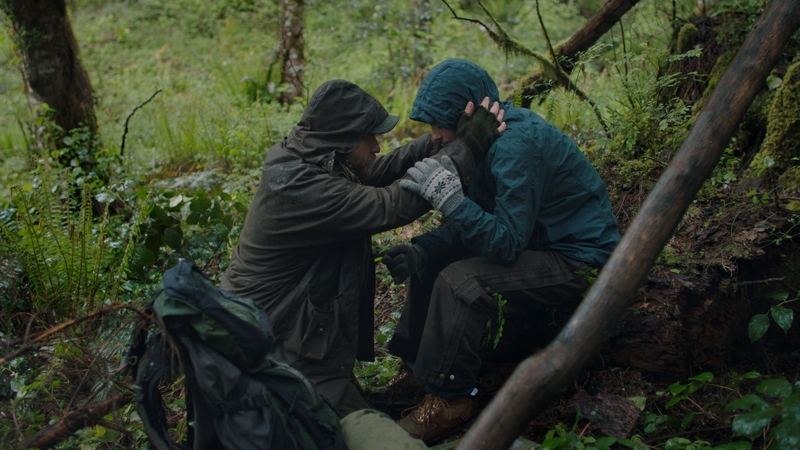
Nice film. Father and daughter have been living off grid but law catches up on them and they’re forced to integrate into society. He has PTSD but none of the scenery chewing. She is kind and caring, a rare representation for a teenage girl. Everyone they meet are concerned and helpful, but the PTSD gets in the way…
The film is also about community and wanting to belong. Yet, naggingly, kept wondering how the welcome mat would have played had it been a non-white father and daughter duo? The campsite they come upon is portrayed as a mini utopia, but is it really that much of an alternative community when the residents are all white and their entertainment features country music?
Being nice isn’t enough. It’s also mentioned that a resident or two has been in the army, meaning to say, a vet. Once more, we are shown the traumas of white males at the absence of the traumas of those who are not (First Reformed, The Rider, You Were Never Here). Even the final shot, which may be about liberation, as a figure steers away from the road and into the forest, is supposed to signify his release but, oddly, and this should no longer be ignored, where is the trauma of Native Americans who used to occupy the very space the man finds freedom?
The idea here is self-reliance of the individual and that of the community in the woods, an ideal made possible by centuries of land dispossession and enslavement of blacks. It’s a very tired kind of thinking and it’s not going away soon. The images of the community in the film seem to pander to the other community out there, the Trump voters, whether the film means to or not. There has been a tendency in the mainstream press to portray disaffected Trump voters as victims, and films like this one caters to that demographic. Where are the films that acknowledge the more progressive Americans? Take a look at what Boots Riley did with his film. Look at how different the dynamics of that community is, racially and politically.
One more thing. In the film, the dad figure is obsessed with the idea of not thinking like them, the rest of society, presumably, because of PTSD. BUT this kind of thinking is way too exclusionary in contemporary America because there is also the implication that it’s this multicultural America that he is turning away from. Not just him but that utopia of a community that he and her daughter comes across. Films like these don’t feed into Trumpmania, however, they also do nothing to challenge it, but normalize a kind of old fashioned America without historical reality of prejudice, exclusion, and violence.
To close, would like to point out where too is the trauma or PTSD of the other side of the war or conflict in which the dad figure was involved in?
#2019 #21
 Orpheus in Hell: Unlicensed Film Reviews