Recent Dardennes

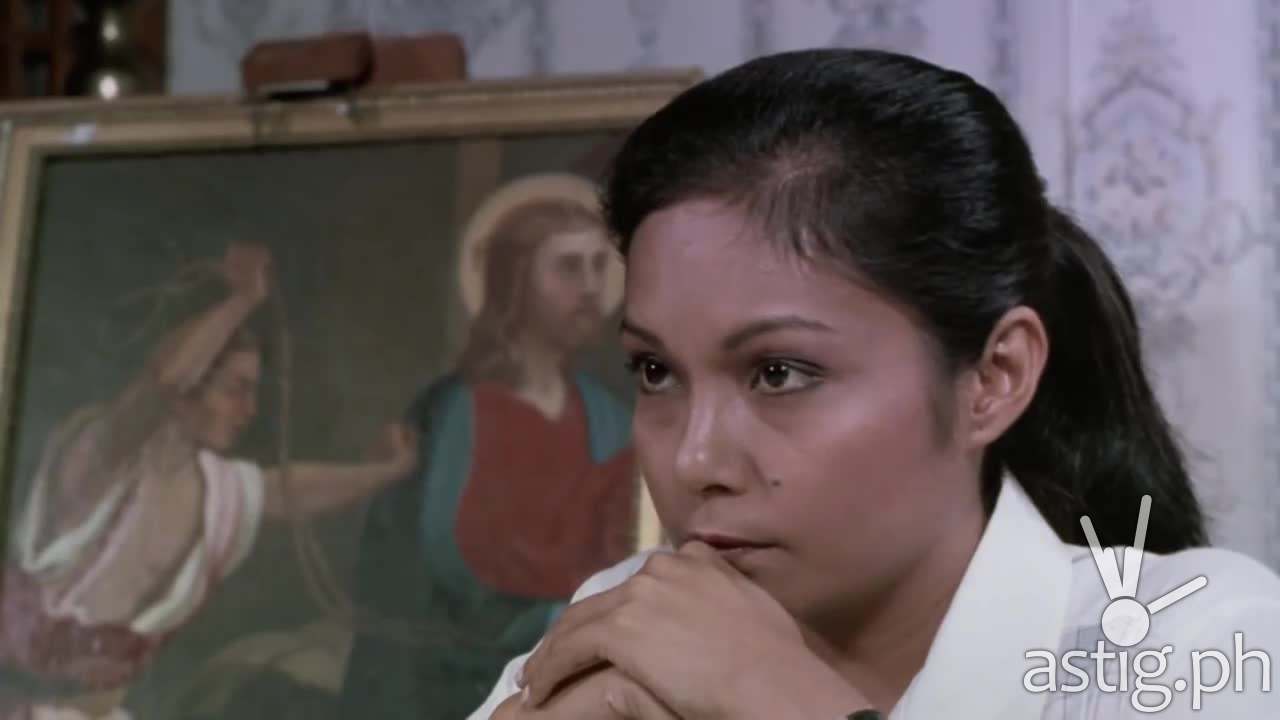
The Unknown Girl (2016) (d. Dardenne Brothers)
Two Days, One Night (2014) (d. Dardenne Brothers)

I wish the Dardennes’ The Unknown Girl was less white savior-y than it is. Why does the victim have to be a young black female immigrant? This is the same world as their La Promesse, which came out 25 years ago. Has Belgium not changed in the last two decades? O have the imagination of the filmmakers remained the same? What would happen to the ethical, political, and aesthetic universe of the film if the roles were to be reversed? A daughter of African immigrants becomes a doctor and realizes she could have saved the life of a young white European woman? Why does the young man go back to his village, signaling someone who is deeply rooted in the country, while the victim is presumed from the start as being non-Belgian? There is something troubling here. I love the Dardennes and their brand of socially conscious cinema, but this one just seemed dated and its idea of feminism is too limiting.
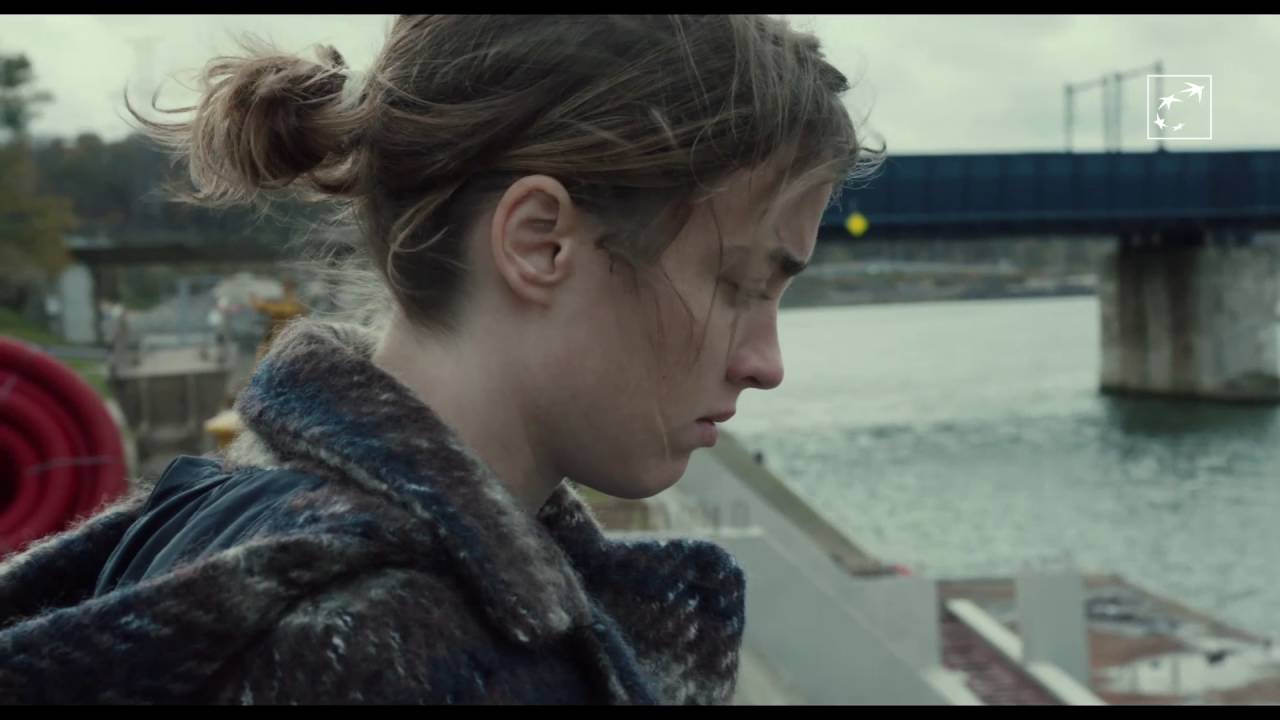
Unknown girl is the one without star power

Two Days, One Night. Honestly, isn’t Marion Cotillard’s casting a bit distracting? She has so much star power and it’s kind of difficult to see her as a working class heroine. I believe this was made around the time of her Chanel campaign. On the other hand, I’m beginning to think it’s exactly her star status that makes the film work. The unbelievability of her role adds to the tension already present in the film’s two major themes: economic precarity and mental health condition. Not only has she have to fight for her job, but she does so while battling depression. Each attempt at convincing her co-workers to forgo the bonus so that she can keep her job is shown as extremely taxing, psychologically. I found this depiction so necessary in cinema: not just being depressed but confronting people, with a huge chance of rejection, while feeling depressed. That’s some heavy shit, folks. In my life, I am and was not able to do it. Here, she has the support of her husband who might be overzealous just a bit in making her do the rounds. Man, I didn’t and don’t have that either, the support of a loving life partner. Plus she befriends some of her coworkers in a more meaningful way. Who else can make cinema like this but the Dardennes? I think we can root for her and believe that she can do all this in the limited time she is given in large part because of who is portraying her: a star who has the time and resources to deal with these things even if she ever goes off the deep end. Then we get the fantastic climax. Does she win or lose? Go watch the movie. She says she is happy, and it’s an incredible statement which ties together the two or more tensions in the film: she is happy because she fought for her rightful place at work and in the world. For a depressed person to say that is gold. Fuck, now I’m crying.


#2018 #2019 #65
Duterte cinema

Big budget spectacles for the coming of Duterte

Heneral Luna (2015) (d. Jerrod Tarog)
Felix Manolo (2015) (d. Joel Lamangan)

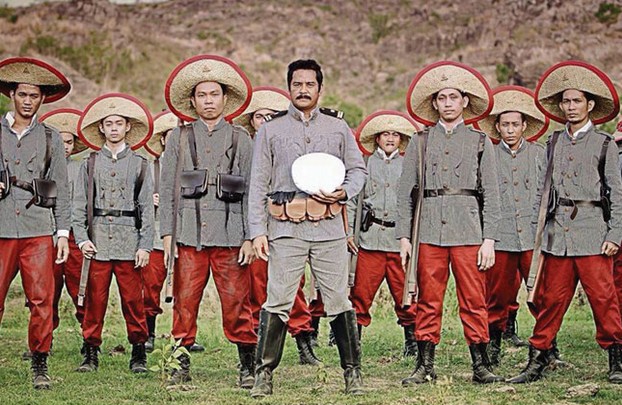
Been thinking about the two unlikely blockbuster films in the Philippines: Heneral Luna and Felix Manalo. These two very different biopics seemed to complement one another. Both features outsider-visionaries of the Philippine State (Luna) and the Philippine Church (Manolo). The former is about political indignation as Luna is betrayed by opportunistic entrepreneurs who quickly switch imperial allegiances and by his fellow rebel compatriots. It’s a story about an interrupted revolution and makes its case, rather remarkably, without any recourse to Catholic religiosity. Instead, the movie features a cut to the moon as the hero woos his beloved with a song. How pagan, indeed. The latter movie is all about the church, just not the Catholic Church, but the cult-like mega-church known as the INC (Iglesia ni Cristo). The film makes the case of the importance of a homegrown national religion by offering an unremarkable crash course in comparative religion. For the uninitiated and uninterested, the movie is a slog, unlike the more entertaining Luna film, which incongruously switches tones to keep things lighthearted at times. Did the unexpected popularity of these films prefigure the Coming of Duterte? A cult-like figurehead for the new national religion of political indignation? Like the Mayor, both protagonists rebelled against the status quo. Both films are considered independent productions in a film industry known to churn out scores and scores of brain-melting trash. The production values are top notch, by Philippine standards, including attracting big stars for the latter film. And all three, Duterte being the Filipino version of Dirty Harry and the bonafide new star of the country, are mega hits. (May 2016)

#

Heneral Luna, despite the clunky dialogue, has better than expected production values–maybe just a tad bit good since the costumes are clean and well-made, making it easy to discern the visible cellphone lines on the actors’ pants. Appreciated its lack of Christian sentimentality while its version of nationalism indicts fellow Filipinos who are only concerned about their business dealings. Also, it does a fair job of highlighting Filipino women’s role in the rebellion. Additional points for casting non-famous, non-light-skinned actors whenever film could even as it panders to sensational casting for minor roles. The crowd ooh-ed and aah-ed whenever a heartthrob actor appeared. Sold as a historical film, but clearly a film of the moment as presidential elections are coming up. No one seems to resemble the titular character among present candidates thus the film is really more like a national fantasy coming alive on screen. (September 2015)


#2015 #2016

Mock trials

Common people playing roles under dictatorship

T-Bird at Ako (1982) (d. Danny Zialcita)

Caught a bizarre, enjoyable Tagalog film on TV starring Nora Aunor and Vilma Santos, two of the country’s top leading ladies and box office rivals, with overt lesbian overtones. Both women usually represent the Nation: Aunor is darker-skinned while Santos is much fairer and has the much-prized Hispanic features. So it was interesting to see how these two would hook-up which never happens except for the split-screen ending where Aunor’s lesbian tendencies are suddenly “cured” and she ends up paired with a man. Both can co-exist as part of a heterosexual coupling but cannot be together, perhaps reflective of the state of the nation–not just in terms of prejudice against homosexuality but also the divided state of country, which was still under Marcos rule. Film was released in 1982. One of the most hilarious sequences (serious but definitely played for laughs for its witty banter) is in the courtroom where all the platitudes about morality and justice are expressed. It’s a bitter laughter because of the hypocrisy of these concepts under the repressive regime. There’s even a close-up of a judge when he says that he will make sure that the “truth will be uncovered”, which in the national realm, with the extrajudicial killing of activists and journalists of the time, would render such a thing as “truth” as a fantasy. A review of the film found in the internet claims that the plot is in fact “flimsy”, and why not since the point of the courtroom case is not the crime in the story but the audience have gathered for a mock trial of the Marcos dictatorship. The happy ending of the two coupling at the end reveals that there can’t be any reconciliation and desires, signified as lesbian in the work, have to be repressed. Tellingly, Aunor’s character’s reformation occurs at a mall: her happiness and integrity has been/can be bought.

The mis-en-scene may offer clues to the ideological negotiations going on in the work–and by “work”, I also take into account the national project of defining itself. For instance, one of the funny lines in the courtroom scene is when Santos tells the prosecutor that she understands what he’s saying since he’s using English that’s not very deep. (“Hindi malalim”.) It’s a dig at the intelligence of the witness and also a marker of class differentiation. (Also worth mentioning is that both Aunor and Santos are playing against type here. Such a line would be more suitable for a character that Aunor would usually play.) In a pivotal scene where Aunor reveals her feelings for Santos, a huge portrait can be observed in the background. Eventually, the camera gets close enough to show a partial view of the photograph. It’s none other than a presidential portrait featuring both Ferdinand and Imelda Marcos at an official ceremony. This is something that people used to hang in their homes, perhaps out of national pride but also out of fear so that their political allegiances cannot be questioned. There are other scenes when framed paintings or prints has the curious effect of echoing or underlying the themes of the scenes at hand. I think this is accidental. It would seem that the nation itself has become a movie set where its citizens, in the absence of fully functioning laws, end up playing roles and knowing which roles to play properly. The alternative would be to end up disappearing from the national scene completely.


#2015 #May

Final solutions

The West watches while the Third World burns

Avengers: Endgame
Game of Thrones 8×3: The Long Night

It’s no accident that both the Avengers movie and the much anticipated GoT episode were programmed over the same weekend, ideologically. They both delivered the same message that the masses have accepted the inevitable catastrophe of climate change and that it’s acceptable that the group most affected (killed) (initially) will be the non-white non-West. Already talked about the ideal demographic for genocide in the Avengers movie, and it’s not so dissimilar with what happens to the Dothraki and the Unsullied in the GoT episode. The former has been a stand-in for the non-West, cast with actors and extras that are phenotypically non-white, including an overabundance of sexuality and licentiousness, while the latter is mainly characterized by the absence of sexuality since they’ve been castrated. It’s interesting how the implied normalized figure is imagined between these two extremes of sexuality, which mirrors the way the West views racialized sexuality. So incest is fine as long as it’s the correct race, but I’m not interested in that here. This isn’t just entertainment. It’s both an anticipation and confirmation of how we’ve arrived to accept a (the?) solution to climate change. The West is ready to stand by and watch while the rest of the world perishes.

#2019 #May

Disregarding the pain of others

Mi trauma es su trauma

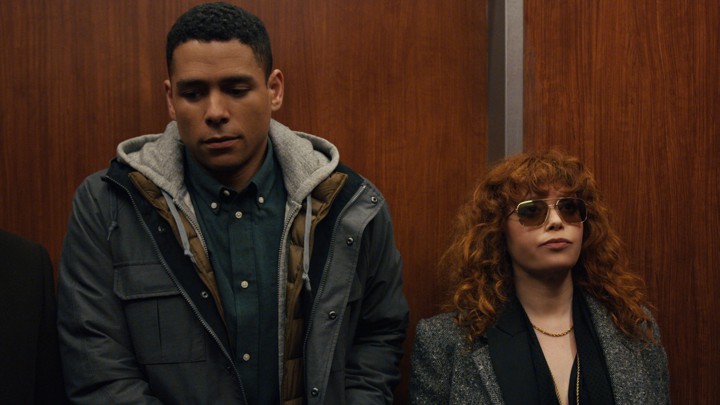
Russian Dolls Season 1 (Netflix)

Hear me out. This is regarding the somewhat amusing Netflix comedy Russian Dolls. Spoilers, obviously. At the root of the show is the female protagonist’s trauma living with a mentally unstable mother. She can’t quite move on, dying and reliving her catastrophic 34th birthday. Because she’s now at an age where she surpasses the age of deceased mother’s. Fine. Then, we are introduced to another character who’s experiencing the same thing as she does except his storyline is tied to a disastrous relationship. It’s “good” that the show tries to be multicultural (note the demographic during the party) because hey it’s set in NYC, but it seems the casting is also color-blind-ed. The other guy is black, and his race is never quite a factor to his endless day. I guess what I’m saying is, where is his trauma? For a young black man, he must have experienced things living in the United States, but the show sanitizes him as a geeky control freak with no significant trace of racialization. (Ditto the Asian BFF except for the odd Uncle Chung joke, the only reference to her ethnicity.) Now for my wild conjecture: do white writers and filmmakers imagine themselves as oppressed, like the way black people are oppressed and or how POCs are oppressed, because of their traumatic experiences? It’s like, hey, I’ve been through a lot too, just like you guys, POCs and other minorities, who’ve gone through a lot. It doesn’t occur to these writers that THEY GET TO NARRATIVIZE THEIR TRAUMAS CONSTANTLY while those who aren’t white don’t have such an easy access to get their concerns televised, published, etc. A conjecture on my part, after watching film after film recently (The Rider, You Were Never Really There, Leave No Trace, mainstream media articles about Trump voters, etc) that privileges white pain without addressing the pain of non-white others. Going back to the show, it ends with a carnivalesque parade that resembles the entr’acte from Holy Motors. They stole it from that movie like the way they’ve stolen the limelight of the pain of others for their own.


#2019 #February

King Beto

They kill liberators don’t they

Game of Thrones Season 8 (HB0)

Rushed production made it possible for show runners, who are straight white men, to display their actual POVs this season. No time for introspection and even getting feedback, as if they care for such a thing. What do we get in the final episode where everything else is re-jigged to make the episode possible (as opposed to plausible?)? First sign things are awry and confirms the white bias of the show are the intact bodies of the Lannister incest couple. Stones rained down on them, but their faces (very important) and bodies remained intact. And spatially almost impossible to find bodies but brother still found them singlehandedly. These are despicable people, but sympathy for them are inexplicably dragged out from the previous episode. What gets contrasted here? Grey Worm killing a soldier. We never got such a personalized view of killing by any of the white soldiers. It was all just random and, in the midst of battle, necessary. But here, it’s to indicate Grey Worm’s viciousness. And it’s not only his, but people of color, like the barbaric Dothraki, are unlike us (the audience presumed white or share white supremacy values), that they are deep down bloodthirsty. The final season in particular completely debases the colonized people and its heroes. That’s why it was easy for the show runners to imagine Danny going mad and violent because the show runners are, and I say this with confidence, ignorant of world history especially when it comes to the Third World/Global South/colonized regions of the world. This is why they completely trash Danny’s vision and her followers. Danny wants to continue liberating the oppressed, but here we finally reach the limits of the imagination of white liberal writers. Freedom for all is imagined as horrific because it will destabilize the status quo, which is why we get that infuriating ending because the guys who have been in charge are still in charge. Despite Danny’s madness and violence, her speech is still stirring in an episode full of idiotic speeches. But Jon couldn’t hear that nor can Tyrion, the white liberals. Yes, they’ve defeated the white fascists and conservatives, but liberation should have been for everyone, which is what Danny wanted. Who do we get in her place? The most mediocre, useless white teen as the leader, probably the teen version of Beto who got crippled doing a skateboarding trick. And we also get independent-minded white women who have no sense of racial justice. What happens to Grey Worm and the Dothraki? They are asked to move away instead of integrating with them, which means like your usual white liberals who are willing to say the proper racial and social justice slogans, they don’t want actual blacks and POCs as their neighbors. Grey Worm should have been the king to follow the episode’s logic. Instead he’s sent off with anger in his heart and a sneering expression because the white boy over here gets off with a light sentence. There will be no POC in the new regime, not even in the council nor in the writers room. That’s the white dream in a world where POCs are here to stay.


#2019 #May

Genocidal hippie

Oh woe is me, I am an misunderstood right-wing environmentalist

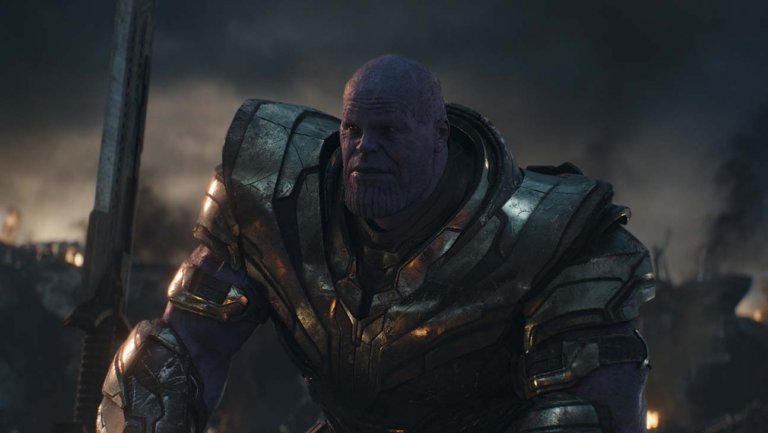
Avengers: Endgame (d. Russo Brothers)

It is about genocide. For that reason, it’s worth examining who are notably absent or disregarded since it is their very unrepresentability that signals that they are the likely victims of erasure. It’s a bit ironic that for a film about wiping out of half the universe’s population, it is overcrowded with surprise cameos of primary and secondary characters from the MCU. This indicates that there is an oversupply of a certain demographic while the there is an underrepresentation of another.

In addition, the film approaches the subject of genocide ambiguously. One of the superheroes ventures to say that, with half of earth’s population gone, the environment has improved. This is said in passing and is quickly dismissed by another character, but let us push this line just a bit and connect it to the racially underrepresented people in the movie. Endgame, rather daringly, seems to say that by we can escape or delay the inevitable environmental crisis by shedding whole swaths of human population. So, who in fact, are the ones who are imagined to be eliminated? Thanos disappeared living beings at random, but, in following the racial and class logic of the film, the ideal demographic for genocide are the ones who are not on screen: Asians, Latinos, Middle Easterners, and indigenous populations.

Consider the dramatically important killing of a yakuza gangster, the only signifying Asian in the movie. His murder, and let us be clear on that, is justified by the fact that he isn’t a good man. The man is seen wielding a samurai sword in what looks to be Tokyo. Not only is this an inconvenient weapon of choice, but it clearly a tired Orientalist cliché. Moreover, the superhero turned vigilante connects this murder with Mexcian narcos that he too has killed in abundance as a form of convoluted vengeance. His reasoning is that how could these evil people survive the genocide when his family has been killed. Notice that the vigilante justice meted out is conveniently located outside the US territories, mimicking justifications of atrocities committed in the name of American national security abroad. These deaths faintly signal, intentionally so, where the film locates its ideal demographic for genocide.

The film then insinuates that if certain groups of people stopped existing in our current planet, we can cut down on pollution and stave of the “inevitable”, another key term in the movie. Thanos’ ideology, if we can call it that, isn’t portrayed as an evil plan, rather, the villain is characterized as living in harmony with his environment. He’s a post-modern hippie. It is benevolent genocide that he is advocating or a kind of right-wing environmentalism. It may seem like a perverted idea but it’s right there being pushed by the film: perhaps it’s not so bad to sacrifice entire groups of people, coded as non-white and non-First World, so that the other half can live.

This might be the reality of our world. The film seems be conditioning its viewers to this pernicious solution. There was no “to be continued” as usually concludes an MCU film and that’s more than fitting as we all slide into the darkness outside the movie theatre.


#2019 #105

Train wrecks

Train to nowhere

Snowpiercer (2013) (d. Bong Joon-ho)

How far can a commercial film with an anti-authoritarian message sustain its narrative momentum? At what point does the train of narrative filmmaking derail from its linear way of storytelling? Traversing the planet to coincide with the length of the year, the film’s train (why not a shinkansen?) is a metaphor for a few things, but the one thing I want to focus on is how it moves through the world like runaway Capital, without stopping at any point, fueled by exploitative labor, endlessly circling the globe to maintain the status quo. Thus when the it finally stops, the passenger cars, which by the way are not unlike strips of film, collide and get thrown out of order and into chaos. Capital time effective stops. And guess what happens? The narrative stops as well. And what does that look like? A black leader of film strip, the likely end of the movie, but since the demands of commercial cinema requires audience uplift or placation, the film offers a brief glimpse of “hope”. As my film companion sharply observed, the image offered to the characters is one that they would not recognize. In fact, the recognition of the image is likely to appease the audience instead, as a happy ending. Note though that the image given to us is a digital construction, which undermines the “hope for humanity” that is initially offered. In this way, the film is about film too: what happens to image in the age of digital construction AND its relation to our revolutionary needs. Bong Joon-Ho stages the confrontation between rebels and fascists with a kind of somatic and psychic satisfaction (in the tradition of great South Korean revenge films) that I was tempted to raise my own fist and join the dissidents. And yet, upon further reflection, with the aid of my fellow viewer, the film seems to contain the rebellious spirit by a narrative twist that makes little sense. By turning the rebellion as a staged event provided by the status quo, a slight yet controlled opening for the expression of dissatisfaction and anger, the film negates the thrilling action set pieces of the movie. There is no other choice in the film but to explode into smithereens. Who and what survives? The audience desire to see these images of revolution and protests which have been slowly entering into film and television, a set of images that either mimic or compete with the actual images of rebellion on the newscasts and on the net. The evident digital construction of the image that closes the film, it is cinema itself that survives in the new technological development of digital image-making. What then happens to our desires to see revolution depicted? What is depicted on screen? The casting, by H-wood standards, is progressive with ample roles to non-white actors. Casting becomes political too: as gay white men have been incorporated into mainstream society, they too have become oppressors, the film suggests. Asians are also shown to be co-opting with their white counterparts, though it’s interesting to see their designation in the society since I didn’t see any decadent Asians but ones who fulfill a function in the hierarchical society of the movie. (Daijobu desuka? Daijobu.) No, Boon doesn’t short shift Asian since the duo comes with a co-protagonist, but not THE protagonist. It’s still a H-wood movie, after all. God forbid a non-martial arts Asian guy as lead, one who is middle aged and not a looker and doesn’t speak English. What else is on screen? Children appear with only a single parent present which indicates to me a kind of magical production which if taken seriously can plausibly explain where all the abundance in the film is coming from. Intentional or not, the missing parent says something about how things are produced and reproduced much like the invisible labor that we have learned to be aware of but do not see represented. This is the reason why notes inserted into items such as clothes or handbags indicating the abusive and harsh conditions of factories have become news. It’s not a human interest story but more in line with “how dare they speak up” or make their presence known, which disrupts the rhythm of my everyday life. How dare they interrupt our carefully calibrated notions of morality. Also, correct me if I’m wrong but one of the consistent themes (that I see) in recent Hollywood films is that of the visibility of invisible labor (something I noted in Pacific Rim). There’s also a preponderance of missing limbs. The film signifies these as symbols of sacrifice. However, it’s not too much of a stretch to think about the losing of limbs in factories with exploitative labor. How are we audiences suppose to understand this from its literal narrative function? How can a limbless population stage a successful coup? Going back to the idea of revolutionary desire, what happens to it? But does lead to political and/or aesthetic change? In commercial cinema, like in this film, it is certain dampened by false and/or happy ending. For answers, I think we must look to other forms of cinematic productions that have yet to bubble up from the margins. Film your local protests and upload them for everyone to see.


#2014

Carrefour

Blinded by fascism

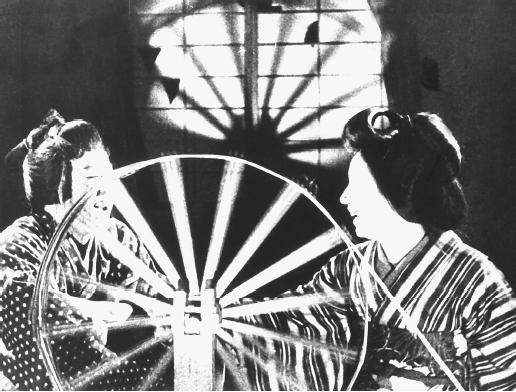
Crossroads (1928) (d. Kinugasa Teinosuke)

Spring on an Island (1940) (d. Toyoda Shiro)

Quick impressions on two films. Older Japanese works startling in their use of male subjectivity as site of confrontation with nationhood and modernity. Usually, it’s the female consciousness and body that’s at stake. Up first is Crossroads (Jujiro) by the auteur behind Page of Madness. It’s a bit overlong when it comes to the sentimentalized modesty of the sister’s sexuality: will she sell her body for her brother’s many mistakes? The film is at its best when the protagonist has to confront the actual unmodest sexuality of the times: as he is blinded he can also see more clearly through the jeers of his geisha lover, rivals, and society at large. The geisha is called Onume where “me” is eye for Japanese. The climax returns the Odysseus/Oedipus figure to the pleasure grounds only for him to have a heart attack because he can no longer face what Japan has become (and if you look at date of production, 1928, where the country has been and where it’s headed). He expires because he chooses his sister, where nostalgia and attachment to past is figured as unapologetically incestuous, unproductive (spin wheel as old technology), and unrealistic. He literally falls apart in front of us. Death could not come sooner to rescue him from incredible depths of madness. Kinugasa places the camera up above the fallen man as spectacle for visions of what other men will have to face in the next few years. The film ends with the eponymous crossroads when we all know very well and audiences back then surely knew it too which road the country would take, disastrously.

The next film is smaller and staid by comparison by a director I’ve never heard before named Shiro Toyoda. The film is called Kojima no Haru (Spring on an Island) made in 1940. Essentially, film is about a Japan that is disappearing by focusing on life and illness in a small island. The narrative is slightly confusing because it doesn’t clearly delineate from the start that the actual protagonist is a female doctor, and in fact that’s why the film works because the figure of modernity is a woman whose profession, clothes, and commitment marks her as the Japan that should be aspired to. The film is also not really about physical illness. The illness could also be those left behind by the nationalization project, those in the boonies. Those rounded up are read as potential lepers but it’s possible to read them as those who are too old-fashioned for where Japan is headed. For instance, the key melodramatic figure is the father who is ill but refuses to leave the island. Upon first encounter, he doesn’t look like a patriarch as much as an intellectual, an agitator, or even a dandy because of his tinted glasses. The simplicity of his clothes doesn’t translate to countryside humility but almost a deliberate, chic minimalism. It’s when he’s forced to leave the island that his un-modernity becomes apparent. He’s suddenly wearing a male kimono when there are no other males in the sequence wearing this old fashioned garb. The male doctor signals European training while the town officials although dowdy aren’t stuck in the past. It’s the father’s resigned stance that makes him the unwonted figure of modernization. (Or his type of modernization, the leftist intellectual or the anti-war activist, the kind that need to be cured.) The one who weeps the most is his son while the female doctor, although on the verge of tears, checks her emotions beneath a stylish hat. I didn’t know when the film was made when I saw it and thought post-war but the ending seemed very odd because the movie couldn’t quite end naturally. Look, the guy is finally on the ship, with the doctor protagonist, and the kid is weeping across the way. But shot after shot the movie doesn’t let the boat land on the other side. Why is this? Had the boat landed we can imagine a potential cure for the dad and his eventual return, but the movie can’t commit to this simple ending and in fact doesn’t let the boat land. It was upon finding out that the movie was made in 1940 that it all made sense: the project of nationalization and modernization didn’t end well. Or that the ghost ship is still cruising towards a better destination. Timely movies, these turn out to be.


#2017

Fishy marxism

Mermaid Legend (1984) (d. Ikeda Toshiharu)

Sexist quasi-Marxist quasi-ecological revenge fantasies

An amazing female revenge fantasy marred by sexploitation and horror tropes. There’s absolutely no reason for the extended sadistic sex scenes and scenes of (blurred) nudity except as box office titillation, which doesn’t make much sense since it’s an art film (ATG-branded) with a quasi Marxist agenda. Wait maybe it does: the only way to make the heroine palatable is to have her be explicitly sexually violated and covered with blood (blood as semen). Otherwise, such a figure is unimaginable. I think that the film has to move beyond a rigid heterosexual definition of gender for it to be successful. A remake should find her as a queer heroine. Meanwhile, the film itself gushes with blood. Literally as the heroine, calm and determined at first only to turn hysterical and later elemental (she embodies nature), stalks and kills each person who wronged her. It’s cathartic to watch as the movie checklists every murderous desire from this viewer. For instance, fine, the big time capitalist must be eliminated but the film shows the cadre of men who will continue his exploitation and accumulation. Guess what? She manages to get even with them too with a crude driving spear. Wow! How about the politicians who enabled the capitalists? Speared. The police who come to the defense of the capitalists and politicians? Some speared (note she does all the killings singlehandedly) and some washed away by the storm she calls forth. Wow, wow, wow! (Japanese X-Men Storm?) Each guy she spears results in an exaggerated gushing of blood which drenches her, inexplicably at odd angles. So it’s not really blood but semen. Not sure if the filmmakers did this intentionally but it seems the case since the lone woman who gets mindlessly stabbed doesn’t get the same special effect. Blood as semen as vitality that is drained from the men in a film where water, ocean, liquid is dominated by the heroine. It’s a wonder the film was made in 1984 when Japan was still enjoying an explosion of wealth. The movie imagines the county as being underwater. How did they see that coming, the filmmakers? It’s also somewhat of an ethnographic film as it is set in a countryside largely unaffected by the rise in the standard of living. The rich guy lives in a Westernized home with a big pool that could be set anywhere in upper middle class Cali. Meanwhile the country folks live meagerly like old woman and her husband who are there to evoke a disappearing Japan but they too aren’t spared/speared of criticism. The only recourse or hope left is for the woman to live and I didn’t think the film would allow that. She survives as a non-human, a mermaid, a mythical creature, a force of nature, on the other side of the world where nature is abundant. But here’s the thing, the water around Japan is presently radiated with poison and geopolitical stalemate so that despite that seemingly upbeat ending is trumped by reality. Now that’s one thing the filmmakers didn’t see coming. The idea of the other side, liberation, is foreclosed. Ariel is dead by radiation.


#2018 #September

Design a site like this with WordPress.com
Get started