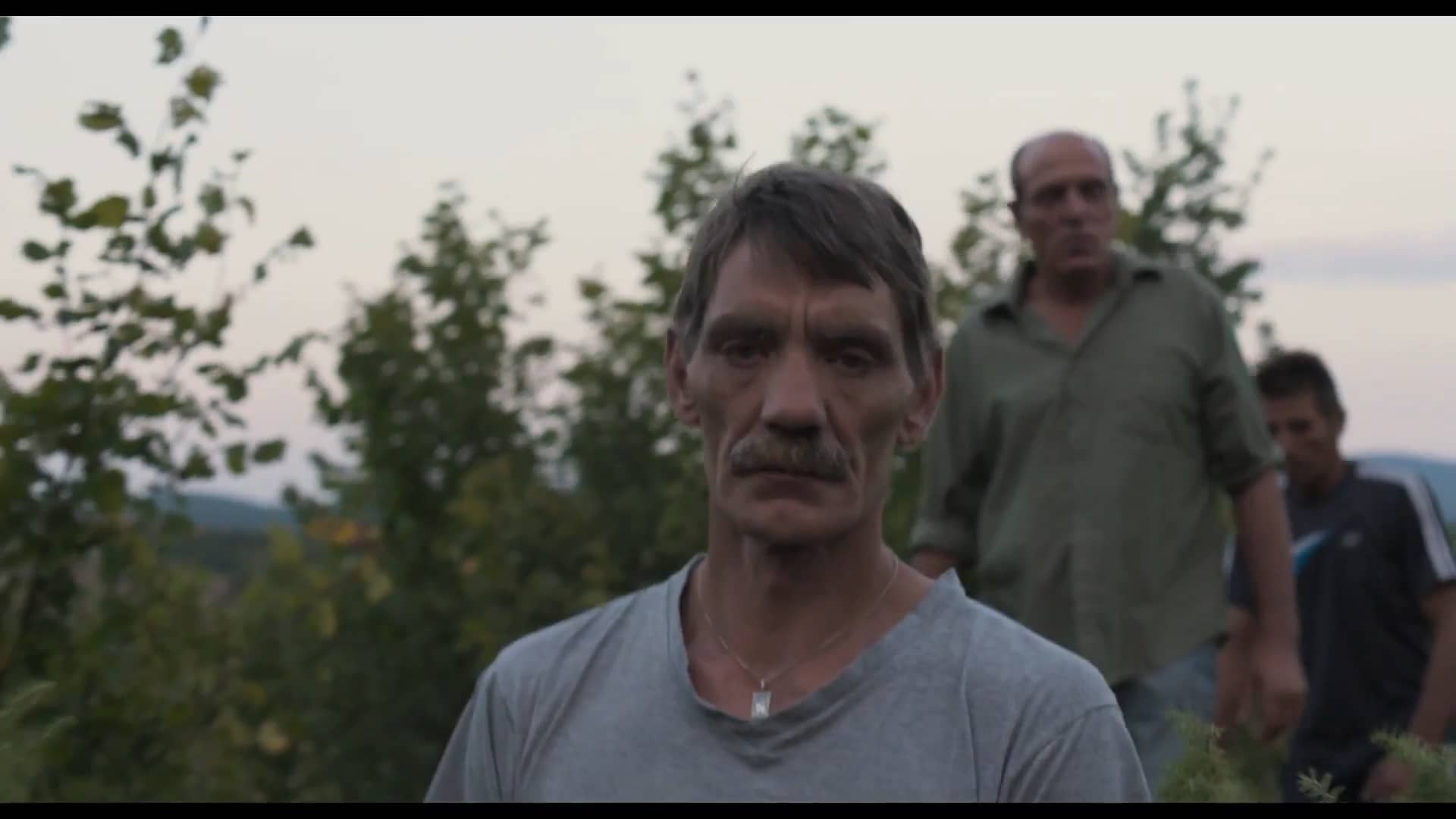
Do you ever wonder who keeps holding the camera?

Did You Wonder Who Fired Gun? (d. Travis Wilkerson)
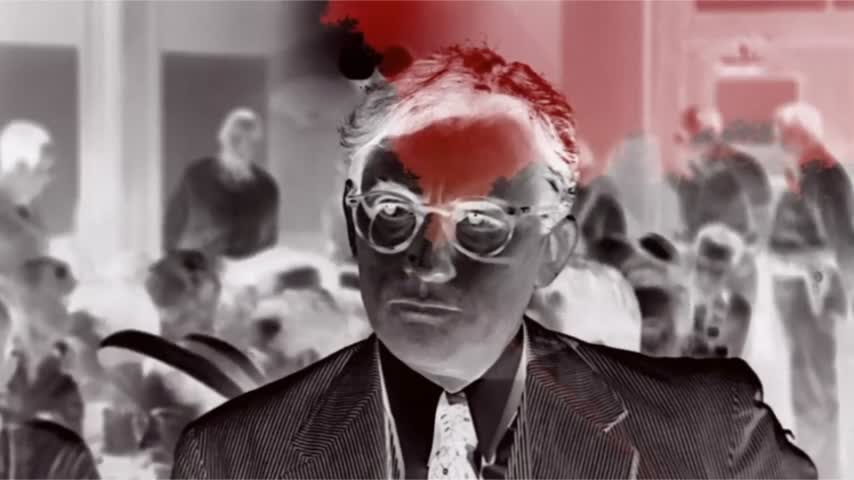
Bad art and bad politics

I don’t know what to make of this work. It’s a documentary about a murder committed by the director’s great grandfather in Alabama. The filmmaker claims, at one point, that he has expensive camera gear, but then refuses to show us key people, interiors, and incidents; instead, he uses the most banal of footages and low-fi special effects to represent the horrors of racism. The aesthetic is that of avant- garde cinema, clumsily done. Is this a deliberate strategy or a missed opportunity or both? The stylistic choices have the effect of rendering important sequences as fictionalized which sorts of undercut the gravity of project. Overall, it seems like white guilt on a budget. There are no real black presences in the film despite the filmmaker’s goal of solving a black man’s murder. The narration verges on self-importance to the point that the black death(s) in the film is displaced by centralizing the travails and anguish of the director. Note the use of black culture, primarily music, only to be used as props. The clip of a street demonstration puts the white figure at the center. Is that supposed to be the director, his public face? Should we applaud him for its intentions? Should we demand more from (white) filmmakers who tackle the subject of race? Not enough.

#2019 #10
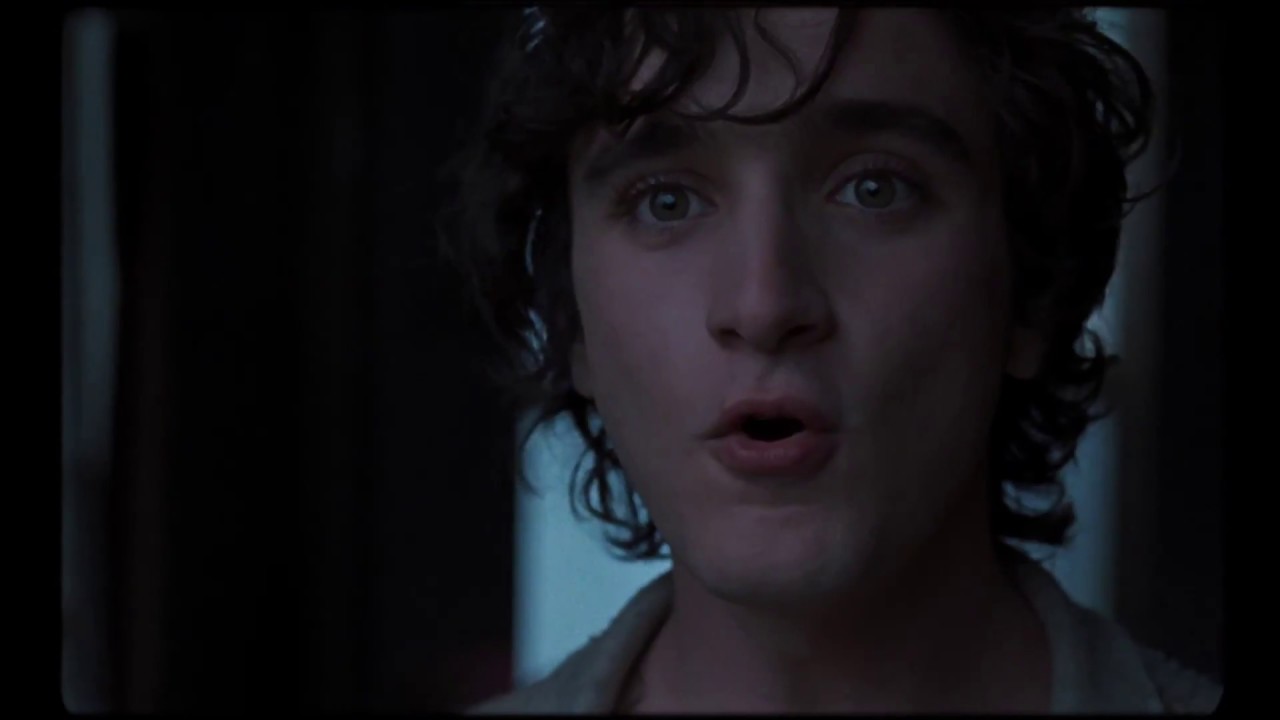
Trans Euro Express

Western (d. Valeska Grisebach)
Happy as Lazzaro (d. Alice Rohrwacher)

Interesting that both films, directed by women, locate Europe outside the metropolis. In addition, both films cast downtrodden Western Europeans as their protagonists. Western situates it in a remote village in Bulgaria which was once occupied by German troops in WWII. Meanwhile, Lazzaro situates villagers in a time-warped zone of the perpetual 70s even though their material conditions suggest further back–as in pre-war Italy. What is evoked is the near history of Europe and its relation to the present. These are images of austerity of the past that, the fear is, Europe may be reverting back to.

Timeless Europe

Western seems like a continuation of Denis’ Beau Travail (1999) with its (alleged) former Legionnaire protagonist and its examination of what is now be called toxic masculinity. It even ends with a dance, where bodily movement acts as emotional outpouring since the guy is stoic until the very end. “You are my brother,” one of the villagers says, a line that can be linked to what the rich teen in Lazzaro says: “you are my half-brother”. It’s a vision of fraternite that is in tatters. How sustainable are these kinships? In both cases, they are not much, but that may be enough, just so.

Old Europe

The Lazzaro movie is a mind trip with the saintly Lazzaro and his perpetual blank and innocent expression. Then we get that time shock out of nowhere but because of “grace” we are led to believe in it. The religiosity isn’t given much importance. Heavenly music fills the air but getting home is more important. Where is home for these wayward Europeans who are out of place and out of time? The final scene of violence shows that Europeans can manage to unite but only to sacrifice its weakest. That doesn’t sound too homely.

#2019 #8 #9

Present tense

“If there’s a book that you want to read, but it hasn’t been written yet, then you must write it.”

–Toni Morrison

I mourn the loss of my previous blog. It was a record of a time and place different from what came before and the present. I also mourn the loss of my old life for its imagined promises and, yes even, the despairs it held. However, here we are, years later, in another place, quite literally, as I live in another country and occupy a slightly different frame of mind. The doubts are the same–and so is the passion for cinema. (For a few years there, I had to distance myself from it, mostly because no good movies were available and the internet was slow in my exile in the Philippines. The sun was ablaze in the tropical country but my soul remained gray.) There’s huge difference with regards to how I think and write about movies these days. Race, which was previously ignored or diminished, has come to the forefront. Not just in racial representation but how race is articulated even in its apparent absence on the screen. The shock came in the form of realizing how my racialized sexuality and identity in my North American life shaped my fate, especially the psychic one. The blog is about finally finding the vocabulary that was not available in my personal life (for years and decades) that I can now use in the form of film reviewing. It also explores how race, class, sexuality, among many others, animate Western cultural texts. The reviews were always written off-the-cuff and posted on social media. For the blog, they have undergone some editing to clarify ideas and correct grammar errors though at times I have left them there to maintain the raw quality of my (mis)judgements. More ambitiously, I am hoping that these notes and writings are a form of cultural criticism by someone who imagines themselves as an queer, exiled outsider. The tone is decidedly combative and impassioned; and, like most internet ephemera, I expect the blog and it contents will likely disappear and be forgotten as the terms of engagement for social justice values broaden and move on. Finally, the aim is not to preach nor accuse but to identify knotty social issues like race to see ourselves arrive at an impossible future of equality, sustainability, and solidarity beyond the multiplex.

#2019 #July

Design a site like this with WordPress.com
Get started